
Places to visit
- Home
- places to visit
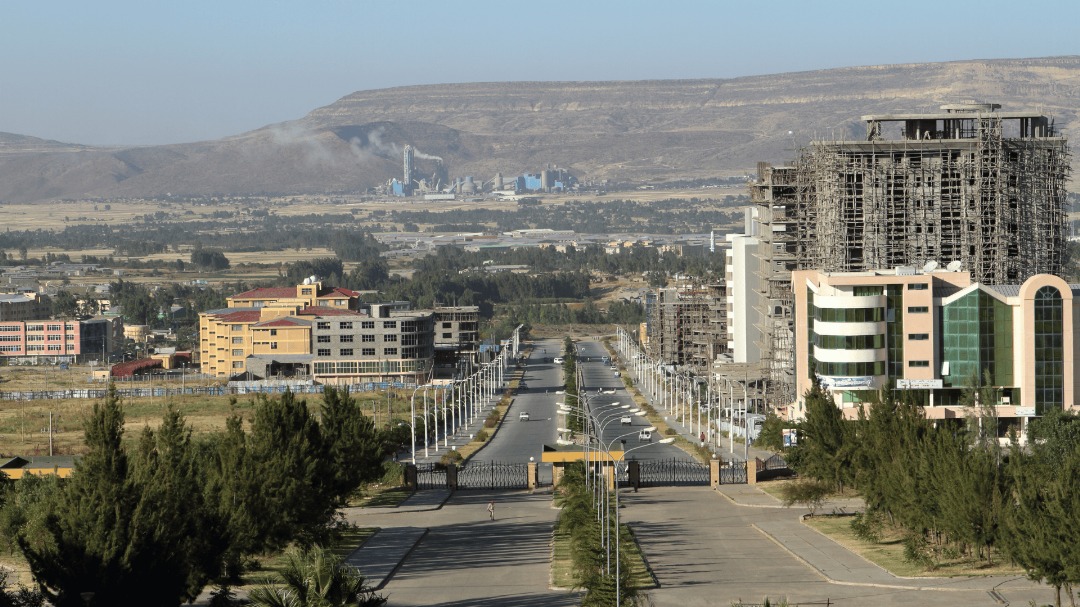
History of Mekelle city
Mekelle's history spans from a 13th-century settlement to its current status as the capital of the Tigray Region Ethiopia. It evolved from a small village into a significant town during the reign of Emperor Yohannes IV, who made it his capital and built his palace there. Mekelle's growth was further shaped by its role in trade routes and its involvement in various conflicts, including the Italian War and the Woyane rebellion.
The Imperial Legacy of Emperor Yohannes IV in Mekelle
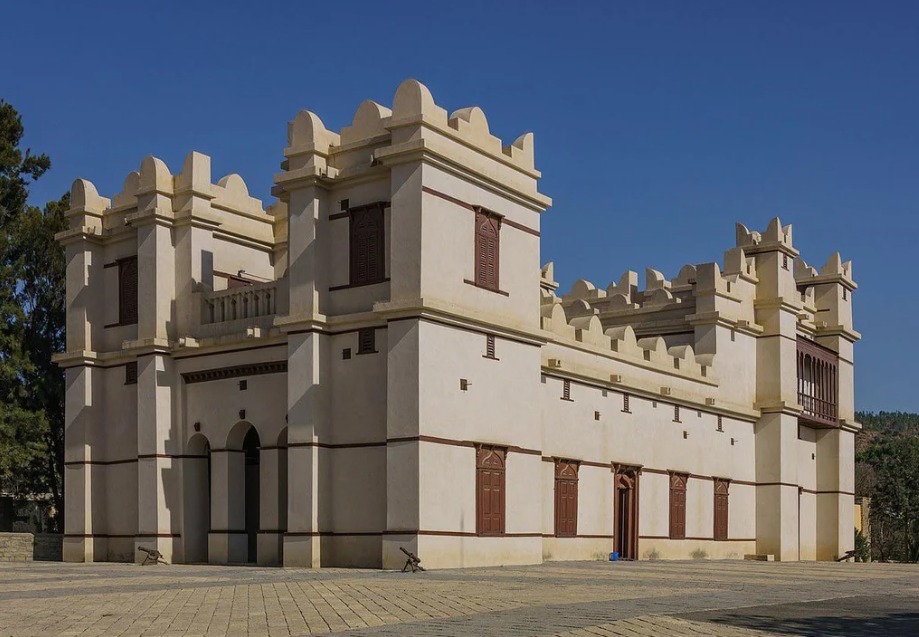
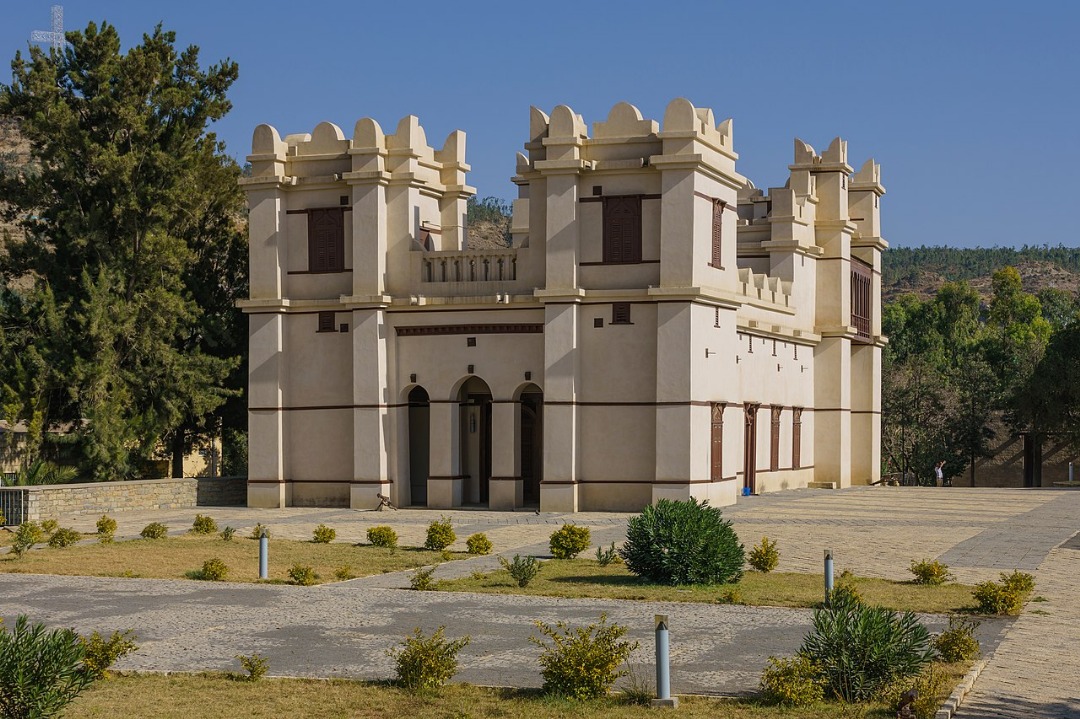
Perched on the northern edge of old-town Mekelle—now a bustling downtown—the Palace of Emperor Yohannes IV stands as a testament to Tigray’s regal past. Constructed in 1884 by the renowned Italian architect Giacomo Naretti, the palace is a striking example of Neo-Gothic architecture, with grand halls, intricate designs, and an imposing two-story annex that once housed the Emperor’s throne room.
Naretti, who had previously worked for Emperor Yohannes in Debre Tabor, left an enduring mark on Mekelle, also designing the Church of Enda Kidane Mihret. His final resting place was near the round church of Enda Medhane Alem, though sadly, his tomb no longer exists.
Visitors can explore the former imperial residence, now transformed into the Tigray Regional Museum, where history unfolds through relics of Ethiopia’s 19th-century resistance, diplomacy, and royal grandeur. The steep staircases—famously disliked by the Emperor himself—lead to a journey through time, offering an immersive experience of a ruler’s life, his court, and the turbulent era he navigated.
NB: Museam of emperior yohannes IV is 1.2Km from us.
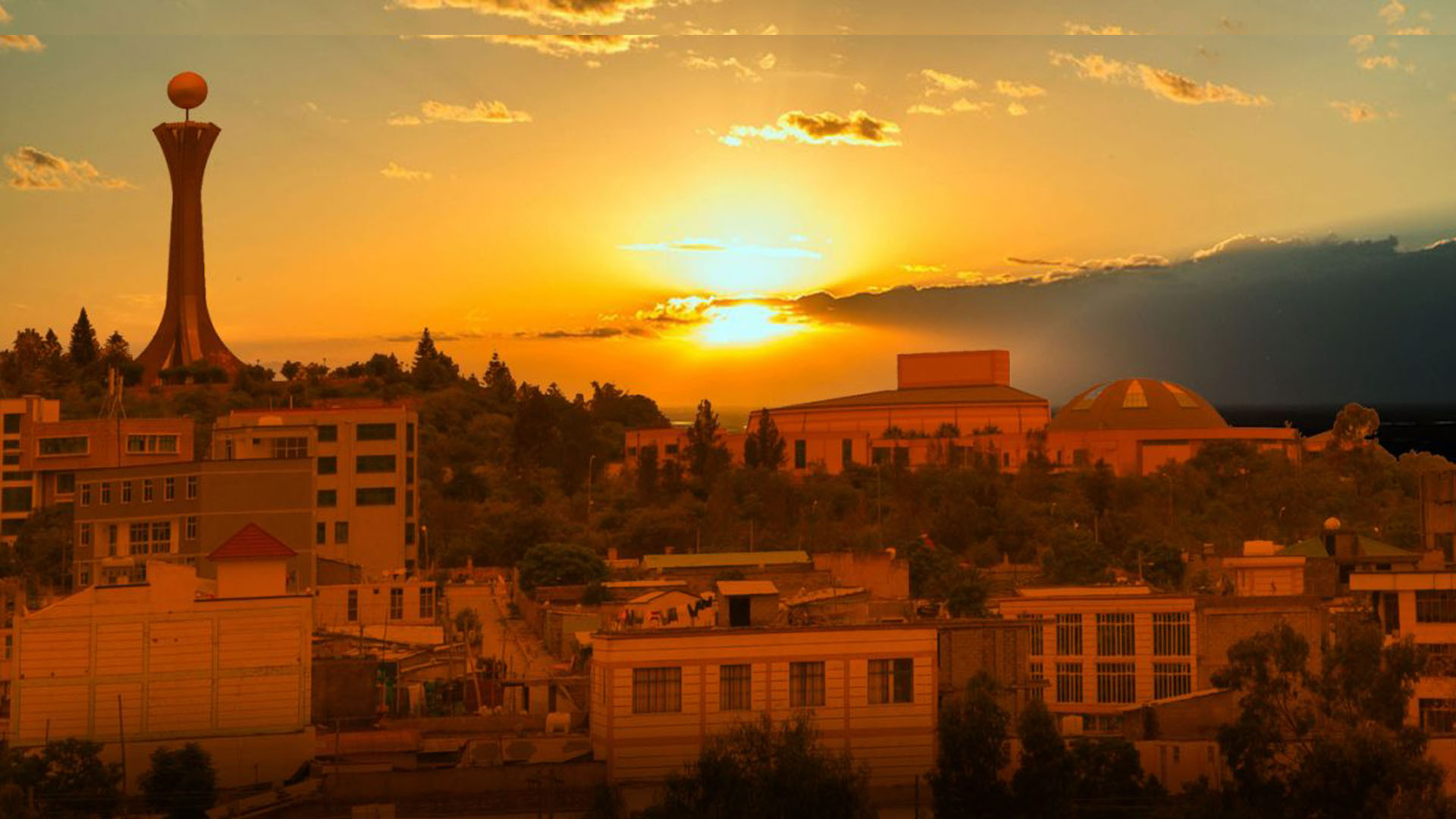
Martyrs’ Memorial Monument and Museum
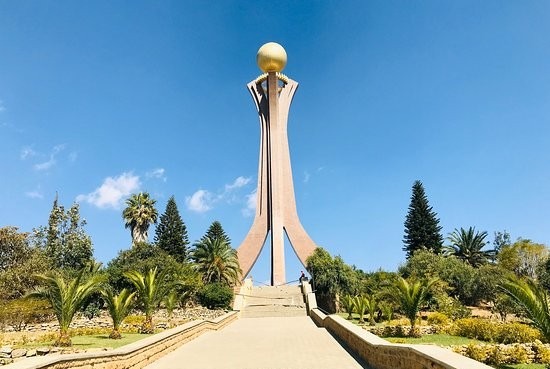
he Martyrs' Memorial Monument in Adi-Haki, standing proudly at 51 meters tall, is a solemn tribute to the countless lives lost during Ethiopia’s struggle against the Derg regime (1974-1987). A symbol of resistance and sacrifice, the monument commemorates the bravery of those who fought for freedom, with over 60,000 lives lost during the civil war.
As visitors approach, they are greeted by the carved stone reliefs that depict the brutal struggles of the time, preserving the memories of the bloodshed and suffering in the name of liberty. Beneath the towering monument lies a museum housing a collection of historical artifacts, including weapons used in the early stages of the war, photographs, and documents that narrate the journey to freedom.
The site also features a modern conference center, adding a touch of sophistication to this historical landmark. The Martyrs' Memorial Monument not only stands as a powerful reminder of Ethiopia’s past but also serves as a center for reflection and education, making it an essential stop for travelers seeking to understand the country’s resilient history.
NB: The Martyrs' Memorial Monument is 2km far from us.
Meskel: A Fiery Celebration of Faith and Heritage
A 52 meter high and 29 meter wide giant metal cross was erected this week at the historical place Chom’a Hill top in Mekelle town,Tigary .The cross is the highest in Africa .In terms of tallness it is the 8th in the world.
Meskel, the Finding of the True Cross, is one of Tigrai’s most vibrant and deeply spiritual festivals, celebrated with grand processions, music, and the spectacular burning of the Damera bonfire. Observed every September, this ancient tradition commemorates the legendary discovery of the cross on which Jesus was crucified, a moment attributed to the vision of Empress Helena (Queen Eleni) in the 4th century.
According to tradition, Queen Eleni was divinely guided to light a great fire, believing that the rising smoke would reveal the sacred burial site of the True Cross. To this day, the people of Adigrat, Mekelle, Aksum, and across Tigrai gather on Meskel Eve to rekindle this historic moment. Towering bonfires, adorned with yellow daisies, illuminate the night as chants and prayers fill the air. As the flames rise and fall, the faithful collect the remaining charcoal, using it to mark their foreheads with the sign of the cross—a powerful act of devotion and renewal.
More than a religious event, Meskel is a cultural spectacle, where traditional dances, spiritual hymns, and communal feasts bring people together in joyous harmony. The festival’s warmth, both literal and symbolic, welcomes visitors into an experience where faith, history, and the enduring spirit of Tigrai shine brilliantly.
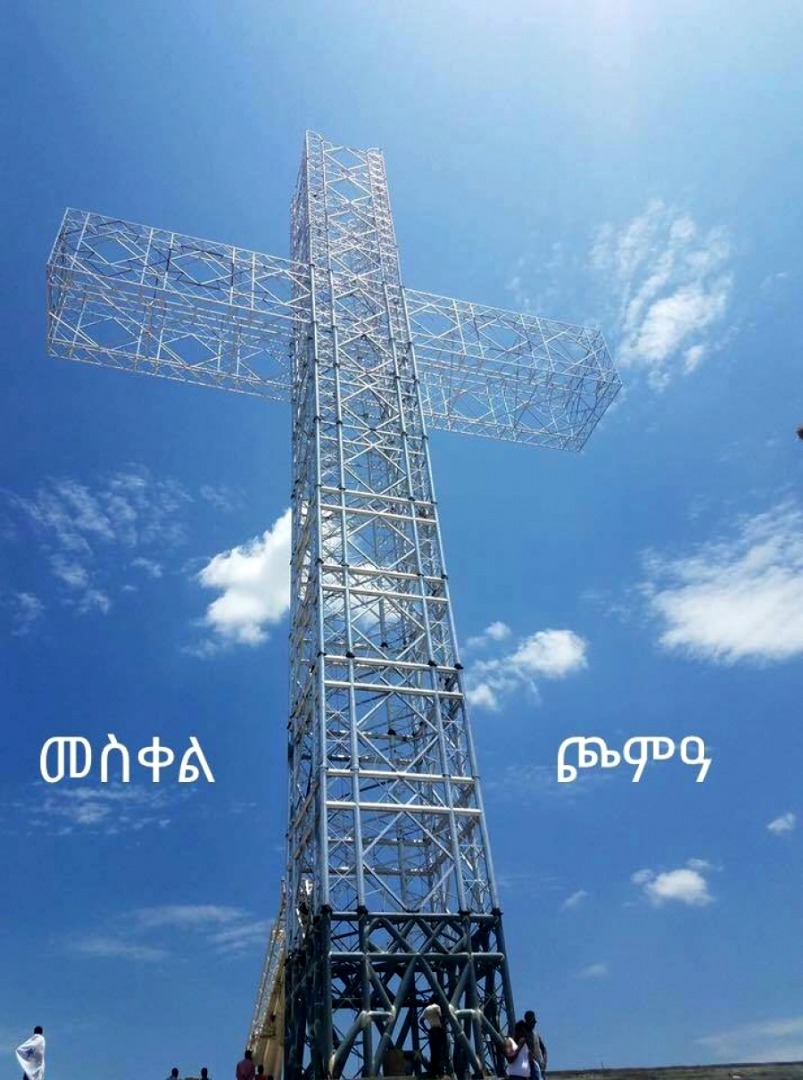
NB: 3.5km far from us to the eastern direction.
Popular foods & festivals

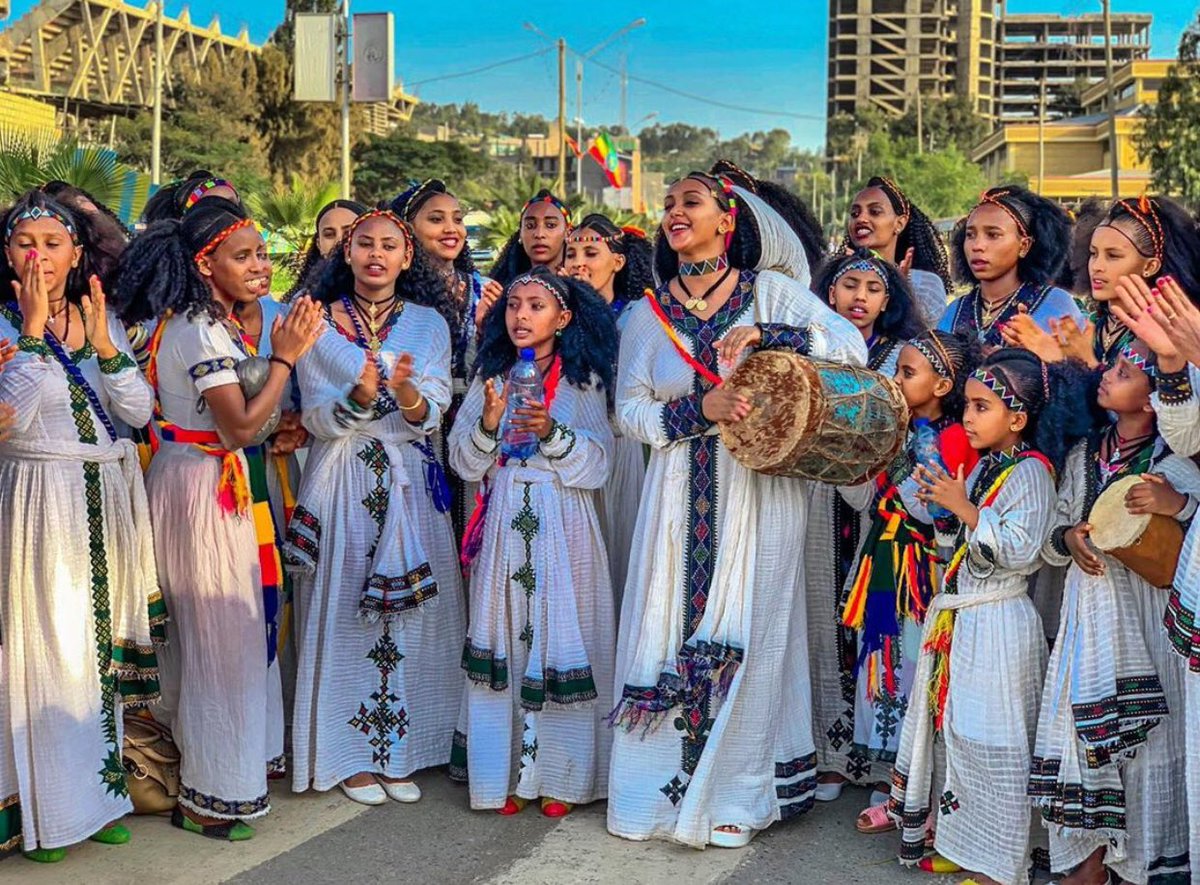
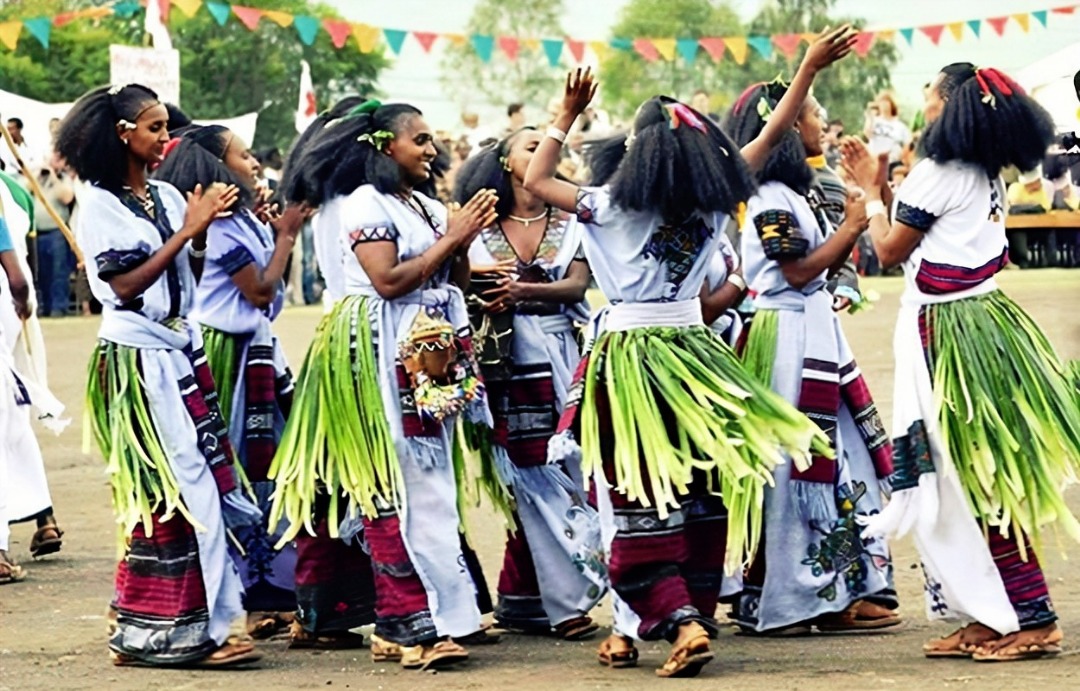
History of Ashenda
Ashenda Festival was colorfully celebrated in and out of Tigrai.
Ashenda is a vibrant, annual festival primarily celebrated by young women and girls in the Tigray regions of Ethiopia. It marks the end of the 16-day fasting period called Flseta, which honors the Virgin Mary. The festival is a cultural and spiritual event characterized by singing, dancing, and gift-giving, with participants adorning themselves in traditional attire and jewelry.
Ashenda is celebrated between August 16th and 21st, following the end of the Filseta fast. The festival is exclusively for young women and girls. Participants gather in groups, visit homes, and sing traditional songs while playing drums. They are rewarded with gifts, money, and food by the families they visit. Girls wear their finest traditional dresses, often embellished with embroidery (Tilf kemis), and adorn themselves with jewelry. They also weave tall grass (Ashenda) into a bunch and wear it, often on their backs, as part of their outfits.
Ashenda is a celebration of femininity, community, and spiritual devotion to the Virgin Mary. It is a time for girls to showcase their cultural heritage, enjoy their freedom, and strengthen social bonds. While "Ashenda" is the most common name, the festival is also known as Marya ማርያ, Ashenda ኣሸንዳ, or Ayniwari ዓይኒዋሪ in Tigray region, with slight variations in dates and practices.
Kidus Yohannes – Tigrai’s Timeless New Year Celebration
As the Ethiopian sun rises on September 11th, Tigrai bursts into life with Kidus Yohannes, the Ge’ez Calendar New Year—a festival of renewal, gratitude, and cultural splendor. Marking the transition from the rainy season to the golden harvest, this joyous occasion is deeply rooted in both Orthodox Christian traditions and ancient legends. It is said that the Queen of Sheba, returning to Aksum from her legendary visit to King Solomon, was welcomed with flowers and gifts, a tradition that lives on in the "Gift of Jewels" festival. Tigrayans celebrate by dressing in elegant traditional attire, sharing festive meals, attending spiritual ceremonies, and embracing music, dance, and cultural games. A symbol of unity, abundance, and timeless heritage, Kidus Yohannes offers visitors an unforgettable experience—where history, faith, and festivity merge in the heart of Tigray. Come and be part of this magical New Year celebration!


History of cultural Food
Mekelle's history spans from a 13th-century settlement to its current status as the capital of the Tigray Region Ethiopia. It evolved from a small village into a significant town during the reign of Emperor Yohannes IV, who made it his capital and built his palace there. Mekelle's growth was further shaped by its role in trade routes and its involvement in various conflicts, including the Italian War and the Woyane rebellion.
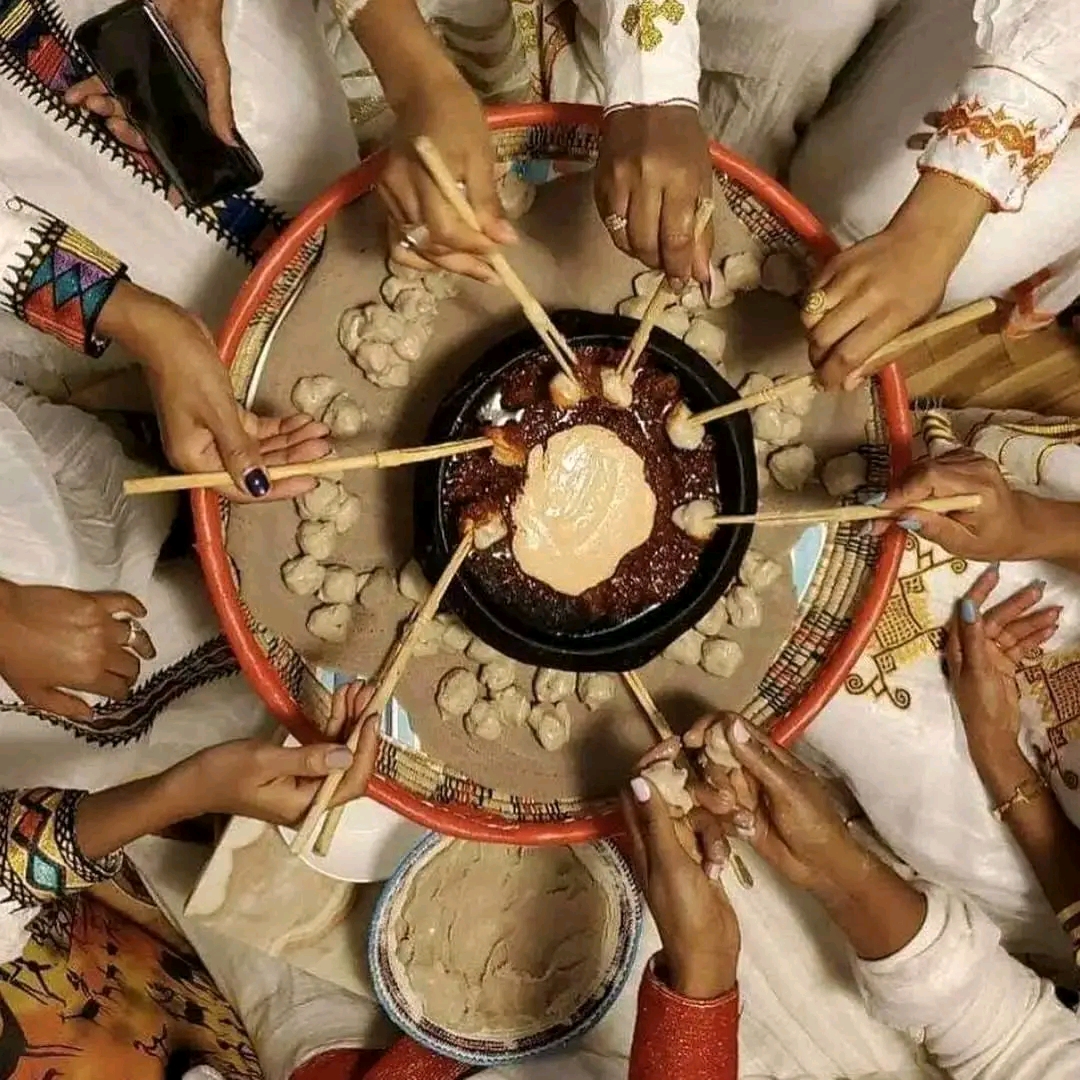
History of Tihlo
Tihilo is noted as a favorite dish of many Tigreans. It is relished by all irrespective of age, sex and living standard. It is almost a staple diet in the eastern zone of Tigray. However, introduced to citizens in other parts of the country as well as to foreigners by people who migrated from the zone, Tihilo is becoming popular by other Ethiopians and foreigners as well.
Tihilo is eaten during public and religious festivities and wedding ceremonies. When it comes to beverage, local drinks Mies and Sewa are popular that everyone would eagerly drink them after eating Tihilo.
Call us for an appointment
+251930469090/91/92
Feel free to contact us
info@zemariashotelet.com
Reach to us via our location
FFRC+GWR, Selam St, Mekele, Ethiopia
ENJOY YOUR SPECIAL MOMENTS WITH US.
A Special Moments in a special place.